
Home › Services › Paver Sealing Tampa
Tampa Home Wash · Paver Cleaning & Sealing
Paver Sealing Tampa, FL: Richer Color and Better-Protected Pavers
Bring Faded Pavers Back to a Cleaner, Better Maintained Finish
Professional Tampa paver sealing for driveways, patios, pool decks, lanais, walkways, and other outdoor hardscape surfaces. We focus on the work that happens before sealing, including cleaning, stain treatment, joint sand preparation, drying, and careful sealer application.
DrivewaysPatiosPool decksLanaisWalkways
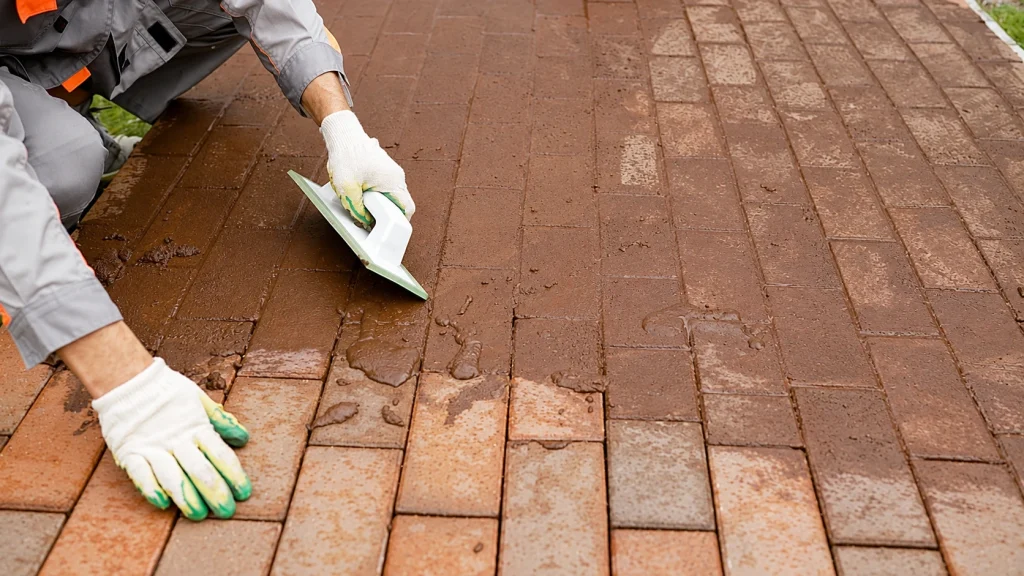
Preparation comes firstCleaning, stain treatment, joint sand, and drying decide how the sealed surface looks.
Quick Answer: Paver Sealing in Tampa
| Question | Tampa Reference |
|---|---|
| Tampa cleaning and sealing cost | $1.50 to $3.00 per sq ft |
| Local cleaning, sanding and sealing | $1.50 to $2.00 per sq ft |
| Dry time before sealing | At least 24 hours dry |
| Foot traffic after sealing | About 24 hours (product dependent) |
| Vehicle traffic after sealing | About 48 to 72 hours (product dependent) |
| Re-evaluate sealed pavers | About every 2 to 3 years |
Figures are published Tampa market references, not a Tampa Home Wash quote.
Professional Paver Care for Tampa Properties
Outdoor pavers deal with Florida weather every day. Rain, sunlight, humidity, dirt, organic growth, vehicle traffic, and normal foot traffic can leave a once clean surface looking dull or stained.
A quality sealing job starts with surface preparation. The Concrete Masonry and Hardscapes Association recommends cleaning the pavement, addressing stains, preparing the joints, and allowing the surface to dry before sealing. It also explains that suitable sealers can help reduce the intrusion of water, dirt, oils, and stains.
When comparing a paver sealing company in Tampa, ask what is included before the sealer is applied. The preparation often determines whether the finished surface looks even and clean.
Paver Cleaning and Sealing Tampa for Driveways, Patios and Pool Areas
Paver cleaning and sealing in Tampa combines two different parts of paver care. Cleaning removes surface buildup and exposes the actual condition of the installation. Sealing can then be considered once the surface is properly prepared and dry.
The work may involve cleaning dirt, treating stains, addressing organic growth, checking joint sand, and selecting a finish that fits the paver.
Driveways
Driveways receive regular tire traffic and exposure to dirt, rain, oil, and sunlight. Cleaning and joint preparation should be completed before deciding whether sealing is appropriate.
Patios
Patios can collect leaves, soil, food spills, plant debris, and moisture. A thorough cleaning helps reveal staining and areas that need attention.
Pool Decks
Pool areas need careful consideration because of water exposure, foot traffic, drainage, and the type of finish selected.
Lanais
A screened lanai may be protected from some direct weather, but dust, dirt, organic matter, and moisture can still collect on the surface.
What Your Pavers May Need Before Sealing
Cleaning
A sealer should not be used to cover dirt or stains. CMHA recommends cleaning the complete pavement and treating stains before sealing. Unlike general Tampa pressure cleaning, paver cleaning also has to protect the joint sand.
Stain Treatment
Rust, oil, organic stains, and other marks can require different cleaning methods. CMHA recommends testing cleaning products in a small area because some methods can affect paver color.
Joint Sand
Low or missing joint sand may need to be restored before sealing. Joint stabilization can help reduce sand displacement, weeds, and unwanted insect activity, although it does not repair structural problems.
Existing Sealer
An old coating that is peeling, cloudy, or failing may require additional preparation before another product is applied.
Dry Surface
Moisture is critical. CMHA states that most sealers require a clean and completely dry surface, with at least 24 hours without moisture before sealing.
Our Paver Sealing Process
Inspect the Surface
We assess the paver material, joint condition, stains, existing coating, visible damage, and general condition.
Clean the Pavers
Dirt, loose debris, organic buildup, and other contaminants are removed using a method appropriate for the surface.
Treat Problem Areas
Rust, oil, mold, algae, and other stains are treated according to the type of stain and the material being cleaned.
Prepare the Joints
Where required, worn or missing joint sand is restored before sealing.
Allow Proper Drying
The surface needs to meet the moisture requirements of the selected sealer before application.
Apply the Sealer
The product should be suitable for the paver, the intended finish, and the conditions in which the surface is used.
Complete the Final Inspection
The finished area is checked for coverage, appearance, and cleanup.
Ready to Start?
Share the area, paver material, and a few photos.
Brick Paver Sealing Tampa
Brick pavers can lose color and develop dirt, stains, organic growth, and worn joints over time.
For homeowners researching brick paver sealing in Tampa, the important question is how the surface will be prepared before the sealer is applied.
The material, existing coating, joint condition, and desired finish should all be considered.
Driveway Paver Sealing Tampa
A driveway is often the first paved surface people see when approaching a home. Vehicle traffic, dirt, oil, rain, and sunlight can gradually change its appearance.
Driveway paver sealing in Tampa can be part of a broader process that includes cleaning, stain treatment, joint preparation, and sealing. Power washing Tampa driveways alone won’t keep oil and tire marks from coming back.
When comparing a driveway paver sealer in Tampa, FL, look at the entire scope of work rather than the product name alone.
Patio Paver Sealing Tampa
A patio has its own set of maintenance concerns. Leaves, furniture, planters, food spills, and moisture can leave visible marks.
Patio paver sealing in Tampa should begin with cleaning and a surface assessment.
When comparing a patio paver sealer in Tampa, FL, consider the material, desired appearance, and whether the product is appropriate for the surface.
Pool Deck and Lanai Care
Pool decks and lanais are common parts of Tampa outdoor living areas.
A pool deck can have frequent water exposure and foot traffic. A lanai may have more shade but can still collect dirt and organic matter.
The right treatment depends on the actual surface, not simply the location of the pavers.
New Paver Sealing Tampa
New installations should be evaluated before sealing.
Timing can depend on the paver, joint sand, moisture, installation conditions, and product instructions. If you are considering new paver sealing in Tampa, confirm that the installation is ready for the selected product.
For example, Techniseal’s current guidance for its paver protectors specifies waiting 30 days after installing polymeric sand before sealing. Other systems can have different requirements, so the manufacturer’s instructions for the actual products used should control.
Natural Look vs Wet Look Paver Sealer
The finish can change the appearance of your pavers.
| Finish | Appearance | Best suited to |
|---|---|---|
| Natural | Matte or close to the original color | Homeowners who want a subtle finish |
| Satin | Moderate sheen | Those who want some enhancement without a strong gloss |
| Wet Look | Stronger color and visible sheen | Those who prefer a richer, more polished appearance |
Manufacturers offer a range of finishes. Techniseal, for example, makes a water-based natural look protector and a solvent-based wet look protector, among other products.
When researching the best paver sealer wet look in Tampa, FL, the finish should not be the only consideration. Product suitability, preparation, surface condition, traffic, and application requirements also matter.
Water Based vs Solvent Based Sealer
Both types are used in professional paver care, but they are not interchangeable for every surface.
| Factor | Water Based | Solvent Based |
|---|---|---|
| Natural finish options | Yes | Product dependent |
| Wet look options | Yes | Yes |
| Color enhancement | Available with selected products | Available with selected products |
| Suitable surfaces | Depends on product | Depends on product |
| Choice should depend on | Paver, finish, conditions | Paver, finish, conditions |
Techniseal’s product data shows how this varies. Its water-based natural look protector is designed for concrete pavers, clay pavers, and porous natural stone, while its solvent-based wet look protector provides a wet look finish for concrete pavers and porous natural stone.
That is why choosing a product by chemistry alone is not enough.
How Much Does Paver Sealing Cost in Tampa?
For a realistic planning figure, current 2026 Tampa market data from Angi places professional paver cleaning and sealing at $1.50 to $3.00 per square foot. Paver jobs are priced differently from general pressure washing in Tampa, FL, because sanding, stain treatment, and sealer add labor and material.
| Area | Estimated Range |
|---|---|
| 300 sq. ft. | $450 to $900 |
| 500 sq. ft. | $750 to $1,500 |
| 750 sq. ft. | $1,125 to $2,250 |
| 1,000 sq. ft. | $1,500 to $3,000 |
| 1,500 sq. ft. | $2,250 to $4,500 |
| 2,000 sq. ft. | $3,000 to $6,000 |
These are Tampa market reference figures, not a Tampa Home Wash quote.
A separate Tampa Bay pricing source currently reports around $1.50 to $2.00 per square foot for a standard cleaning, sanding, and sealing project. It also gives a typical 1,000 square foot project at approximately $1,500 to $2,000.
What Can Change the Price?
Surface Size
Larger areas require more labor and material.
Paver Condition
Heavy dirt, mold, algae, staining, faded surfaces, or damaged joints can increase preparation work.
Joint Sand
Missing or worn sand may require additional material and labor.
Stain Treatment
Rust, oil, and other difficult stains can require separate treatment.
Previous Sealer
A failed or cloudy coating may need additional preparation before a new application.
Paver Material
Travertine and limestone can require more specialized cleaning than some standard concrete surfaces. Angi lists up to $3 per square foot as a Tampa reference for cleaning travertine and limestone.
Want a figure for your actual surface? Share the approximate area, paver material, and a few photos.
What Is the Best Paver Sealer for Tampa Pavers?
There is no single product that is right for every installation.
When comparing the best paver sealer in Tampa, FL or the best concrete paver sealer in Tampa, FL, consider the paver material, surface condition, desired finish, traffic, moisture exposure, and manufacturer’s requirements.
For a driveway, the priorities may differ from a shaded patio or pool deck.
The best choice is the product that is suitable for the specific surface and is applied according to its instructions.
Paver Cleaning, Repair and Restoration
Sealing is not a substitute for structural repair.
A property may need paver repair, restoration, cleaning, joint sand, or stain treatment before sealing. Problems such as broken units, severe settling, poor drainage, or major joint failure should be addressed separately.
Related paver maintenance servicesDriveway cleaningPatio cleaningPool deck cleaningTravertine cleaningMold removalRust stain removalStain removal
Tampa Water Use and Pressure Washing
Local water requirements should be considered when planning exterior cleaning.
The City of Tampa currently lists a Modified Phase III Extreme water shortage status effective April 3, 2026. The City states that annual pressure washing for aesthetic purposes is prohibited at this time, while pressure washing is allowed in preparation for painting and sealing and for certain necessary maintenance of driveways, sidewalks, and other hard surfaces, such as maintaining warranties or removing mold and mildew that cannot be eliminated through mechanical means.
This makes proper planning important for paver cleaning projects within Tampa city limits. Before we pressure wash Tampa pavers, we confirm the job fits the City’s current rules.
Best Time to Seal Pavers in Florida
There is no single date that guarantees suitable sealing conditions.
The National Weather Service Tampa Bay Area office identifies the local rainy season as roughly May 25 through October 10 for most of West Central Florida. Rainfall coverage increases during the summer and remains elevated into early fall.
That makes weather planning important. The actual forecast, surface moisture, and product requirements matter more than simply choosing a month.
How Long Does Paver Sealing Last?
CMHA states that acrylic paver sealers generally last a few years before recoating is needed, depending on use, climate, wear, and sealer quality.
A Tampa Bay 2026 pricing guide recommends evaluating sealed surfaces around every 2 to 3 years, while noting that sun, traffic, rain, irrigation, pool chemicals, and surface condition can affect the interval.
Resealing should be based on the condition of the surface and the manufacturer’s guidance.
Frequently Asked Questions
How Much Should I Pay to Have My Pavers Sealed?
A current Tampa market reference is $1.50 to $3.00 per square foot for paver cleaning and sealing. The exact figure depends on preparation, size, material, and condition.
How Much Is Paver Sealing in Florida?
Prices vary by location and project scope. For Tampa, current 2026 published data places cleaning and sealing around $1.50 to $3.00 per square foot.
How Much Does Paver Sealant Cost?
The product is only one part of the project. Cleaning, preparation, joint sand, labor, stain treatment, and application can affect the total.
Should You Seal Pavers in Florida?
Sealing can be useful when the paver is suitable and the owner wants added protection from certain stains, dirt, or moisture or wants a different appearance. It does not fix structural pavement problems.
Is There a Downside to Sealing Pavers?
Yes. Poor preparation, trapped moisture, an unsuitable product, or excessive application can create cloudy or uneven results. CMHA specifically emphasizes proper cleaning, drying, and application.
Can I Seal My Pavers Myself?
Yes, small areas can be handled as a DIY project, but preparation can be demanding. Cleaning, stain treatment, joint sand, drying, product selection, and application all affect the finished surface.
How Long Before I Can Walk or Drive on Sealed Pavers?
Follow the product instructions. Techniseal’s current paver protectors specify about 24 hours before foot traffic and 48 to 72 hours before vehicle traffic.
Does Sealing Stop Weeds and Ants?
Joint stabilization can help reduce weed and insect activity by helping keep joint sand in place, but sealing is not a permanent pest control treatment.
How Often Should I Reseal?
Many acrylic paver systems need attention after a few years. Actual timing depends on traffic, weather, surface condition, and the product used.
Why Is Paver Sealing So Expensive?
The sealer is only one part of the work. Extensive cleaning, stain treatment, joint sand, old coating removal, difficult access, and surface preparation can increase the project cost.
Is Paver Sealing Allowed Under Tampa’s Water Restrictions?
Yes. The City of Tampa allows pressure washing in preparation for sealing under the current water shortage order. Cleaning for appearance only inside city limits may need to wait.
Get a Quick Estimate
If your driveway, patio, pool deck, lanai, or walkway has become dirty, faded, stained, or difficult to maintain, start with the condition of the surface.
Share the approximate area, paver material, current condition, visible stains, and whether it has been sealed before.
A proper estimate should explain the work required rather than only giving you a number.
Phone(656) 219-1566
Address7113 Causeway Blvd #1470, Tampa, FL 33619
Emailwashingp66@gmail.com
Service locationTampa, Florida
Request Your Quick Estimate
Business Information
| Business Name | Tampa Home Wash |
| Phone | (656) 219-1566 |
| washingp66@gmail.com | |
| Service Area | Tampa, FL |
| Primary Service | Paver Sealing Tampa |
| Last Updated | September 30, 2026 |